How to Get Contextual Links Using GSA SER Playbook
GSA SER Contextual Backlinks
GSA SER Contextual Backlinks: A Complete Guide
Building a strong backlink profile remains one of the most effective ways to rank higher in search engines, and few strategies are as powerful as acquiring contextual backlinks. With automation tools like GSA Search Engine Ranker, generating GSA SER contextual backlinks at scale has become accessible to SEO professionals and business owners alike. This guide explains what these links are, why they matter, and how to use GSA SER to build them safely and effectively.
What Are Contextual Backlinks?
A contextual backlink is a link placed naturally within the body of a piece of written content, such as a blog post, article, or forum reply. Unlike isolated links in a footer or sidebar, contextual links are surrounded by relevant text that provides meaning and topical signals. Search engines like Google treat these links as stronger endorsements because they indicate that the linked page is genuinely related to the surrounding discussion.
The Role of Relevance
The value of a contextual backlink lies in its relevance. A link from a niche gardening article pointing to a page about organic fertilizers carries far more weight than the same link dropped in an unrelated comment section. Properly executed GSA SER contextual backlinks tap into topic-aligned platforms to create a natural relevance flow that search algorithms reward.
Contextual vs. Other Backlink Types
- Contextual (in-content): Surrounded by relevant text, high editorial value.
- Profile links: Often placed in author bios or account pages, less impactful.
- Footer or sidebar links: Site-wide, heavily devalued by search engines.
- Comment links: Usually nofollow or heavily moderated, limited SEO benefit.
GSA SER: A Deep Dive
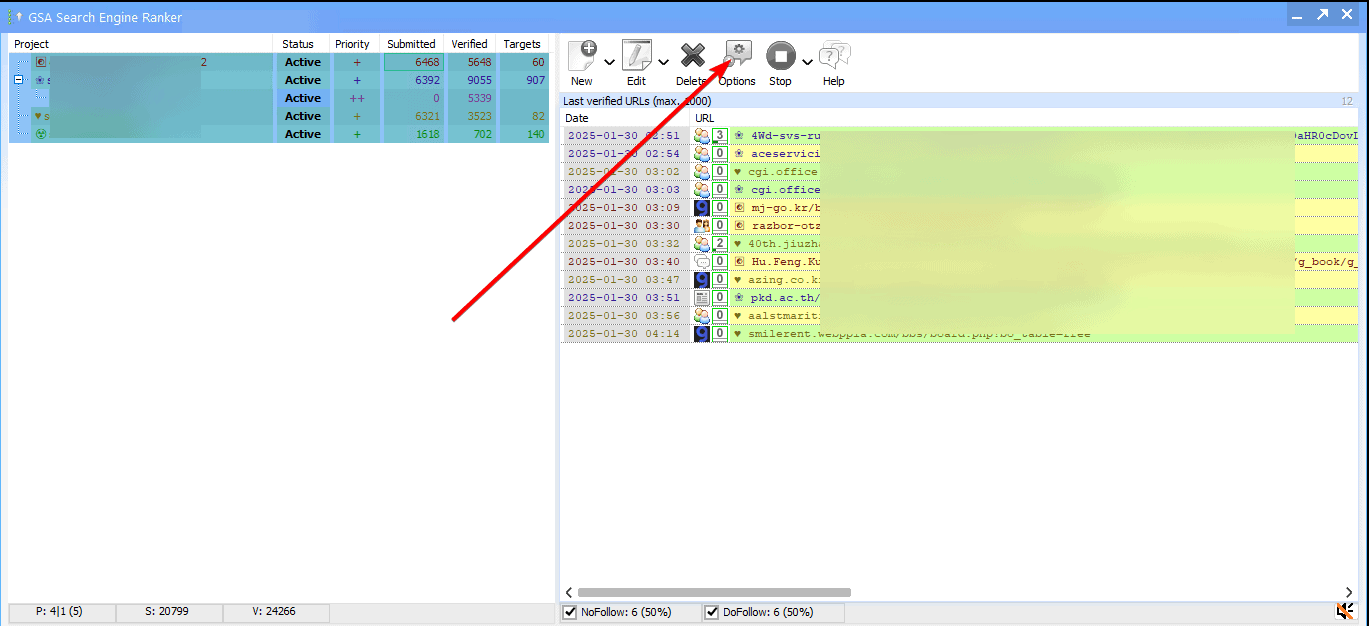
GSA Search Engine website Ranker (GSA SER) is an automated backlink building tool that can submit your website to thousands of different platform types, including article directories, social networks, forums, wikis, and blog networks. When configured correctly, it creates high-quality GSA SER contextual backlinks by scraping content, spinning it for uniqueness, and embedding your links inside actual text bodies on relevant pages.
How GSA SER Generates Contextual Backlinks
The software identifies sites that allow user-submitted content, registers accounts, and posts articles or forum threads with your link naturally woven into the content. It uses proxies, email verification, and captcha solvers to automate the entire process. Advanced users rely on carefully curated target lists, high-quality spun articles, and strict relevance filters to produce contextual links that look hand-placed.
Setting Up GSA SER for Contextual Backlinks
- Choose verified target lists: Start with a clean list of platforms known to accept contextual content, such as article directories, blog networks, and Q&A sites. Remove spam-heavy domains.
- Configure article scraping and spinning: Use tiered content with spun synonyms and sentence variations. The final output must be readable, not gibberish.
- Set anchor text diversity: Mix branded, naked URL, generic, and long-tail keyword anchors. Never over-optimize with exact match anchors.
- Use private proxies and captcha solving: Assign quality dedicated proxies to avoid IP bans, and integrate a reliable captcha service so submissions aren’t blocked.
- Filter by relevance and quality: Use GSA SER’s built-in options to skip platforms with low page authority, non-English content, or categories that don’t match your niche.
Benefits of Using GSA SER Contextual Backlinks
- Improved search rankings: Natural in-content links pass topical authority and help pages climb for target keywords.
- Niche relevance at scale: Automation lets you build hundreds of contextual links on sites that talk about your industry.
- Cost-effectiveness: Once configured, the tool runs 24/7 with minimal ongoing investment compared to manual outreach.
- Diversified link profile: GSA SER produces a mix of do-follow and no-follow links across various platforms, mimicking organic growth.
- Faster indexing: A steady stream of contextual links helps search engine crawlers discover and index your pages more quickly.
Best Practices to Maximize Impact
- Use only readable, well-spun content that provides a decent user experience. Thin content leads to high bounce and deletions.
- Maintain a high outbound link (OBL) threshold – avoid platforms that link out to hundreds of spammy domains.
- Prioritize do-follow contextual links where possible, but don’t ignore quality no-follow placements that drive real traffic.
- Always mix contextual backlinks with other link types like social signals, web 2.0 properties, and press releases for a natural profile.
- Monitor your projects daily and use an indexing service or a tiered linking strategy to get contextual pages crawled and indexed.
Potential Risks and How to Mitigate Them
Like any automated link building, poorly managed GSA SER campaigns can trigger penalties. Risks include keyword stuffing, over-optimized anchor text, and links from irrelevant or toxic sites. To stay safe, always use branded and generic anchors, filter out low-quality domains aggressively, and treat GSA SER contextual backlinks as a supplementary strategy—never your only source of links. Regular backlink audits and disavow filings are essential.
Frequently Asked Questions
Can GSA SER contextual backlinks really improve my Google rankings?
Yes, when built correctly. Contextual links from relevant, non-spammy sites pass link equity and topical signals. However, results depend heavily on your campaign’s quality settings, content readability, and niche alignment.
Are GSA SER contextual backlinks safe from Penguin and other penalties?
They are safe if you avoid manipulative patterns. Use natural anchor text diversity, stick to niche-relevant platforms, and keep link velocity reasonable. A spammy, unnatural footprint will trigger algorithmic filters, so constant monitoring is key.
What types of sites does GSA SER use to create contextual backlinks?
It can post on article directories, web 2.0 blogs, wiki sites, discussion forums, guestbook pages that allow HTML, and even Q&A platforms. The quality of the sites depends entirely on the target lists and filters you apply.
Do I need to spin articles for GSA SER contextual backlinks?
Article spinning is highly recommended to avoid duplicate content flags. The goal is unique, readable variations – not spun nonsensical text. Using a multi-tier spinning approach with high-quality synonyms produces the best contextual links.
How quickly will I see results from GSA SER contextual backlinks?
Indexing and ranking shifts can take anywhere from a few days to several weeks. Factors include domain authority, link velocity, and the overall trustworthiness of your website. Patience and consistent, high-quality link building yield the most sustainable gains.